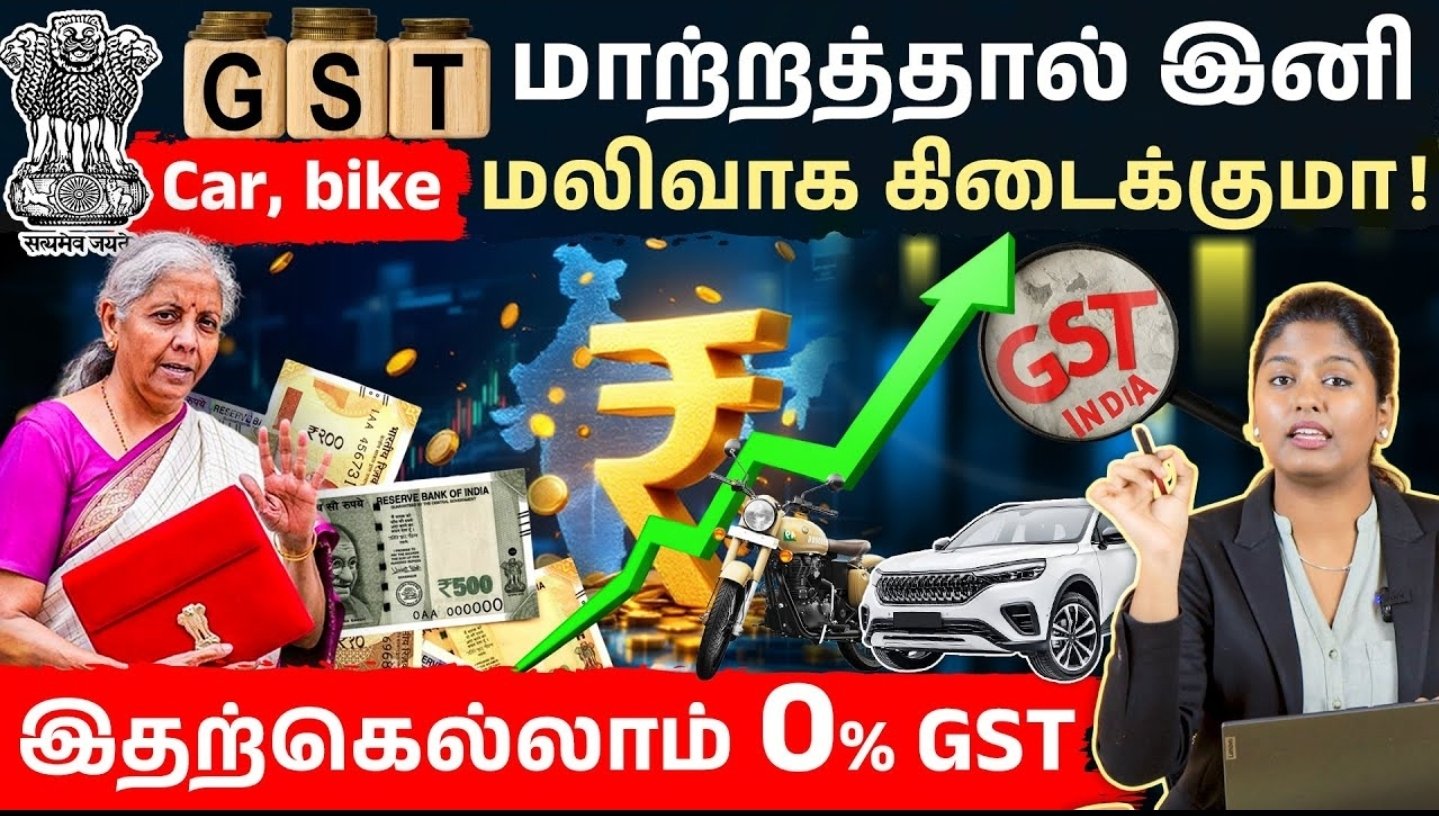
GST 2.0 Decrease Price
GST 2.0 Price Decrease Details The GST 2.0 reform, which was implemented on September 22, 2025, has led to adjustments in automobile tax rates within India, subsequently causing significant price reductions across several categories.
Specifically, small cars and sub-4 meter SUVs featuring petrol engines up to 1200cc and diesel engines up to 1500cc now have an 18% GST, a decrease from the previous 28%. This has resulted in an estimated 5-7% reduction in on-road prices. As an example, the top variant of the Tata Punch saw a price decrease, dropping from ₹11.95 lakh to ₹10.75 lakh in Mumbai.
Effective from September 22, 2025, the prices of Hyundai cars have been adjusted to reflect the GST 2.0 tax structure. Here is a summary of the price reductions for some popular Hyundai models:
Grand i10 Nios: Price reduction up to ₹73,808
Aura: Price reduction up to ₹78,465
Exter: Price reduction up to ₹89,209
i20: Price reduction up to ₹98,053
i20 N Line: Price reduction up to ₹1,08,116
Venue: Price reduction up to ₹1,23,659
Venue N Line: Price reduction up to ₹1,19,390
Verna: Price reduction up to ₹60,640
Creta: Price reduction up to ₹72,145
Creta N Line: Price reduction up to ₹71,762
Alcazar: Price reduction up to ₹75,376
Tucson: Price reduction up to ₹2,40,303
These reductions have resulted in lower prices for the base models in this range. For instance, the Hyundai Venue base petrol variants are now available starting around ₹7.26 lakh, following price cuts of up to ₹1.34 lakh on certain trims.
Regarding the recent GST revision, the rate has been adjusted to a consistent 18% for petrol and diesel cars under 4 meters, which should lead to considerable savings on compact models.
Should you be interested in the updated price of a particular Hyundai car model following GST 2.0, kindly provide the specific model name so that a more precise and current price can be offered.
Regarding changes to GST return filing:
GSTR-3B will be subject to a hard lock starting July 1, 2025. This means that once the GSTR-3B return is automatically populated with data from GSTR-1, GSTR-1A, or the Invoice Furnishing Facility (IFF), manual adjustments to essential fields within GSTR-3B will no longer be permitted.
A firm three-year timeframe will be in effect for the submission of all GST returns. Returns will not be accepted if filed beyond three years from the designated due date, with the deadline for previously overdue returns set for June 30, 2025.
The implementation of Multi-Factor Authentication (MFA) will be mandatory for all taxpayers on the GST portal, with the aim of improving security.
Stricter regulations for e-Way Bills will be introduced, including the establishment of a second E-Way Bill portal to enhance tracking and resilience.
Invoics submitted to the Invoice Reporting Portal (IRP) that are older than 30 days will be rejected to promote timely reporting.
Case-insensitive Invoice Reference Numbers (IRN) will be implemented from June 1, 2025, to prevent duplication.
To minimize rejections from the IRP, it would be prudent to implement real-time data validation routines within the accounting software.
To ensure ongoing compliance, it is recommended to conduct regular reconciliations between accounting records and the e-invoices generated by the IRP.
General Best Practices:
It would be beneficial to review and upgrade the IT infrastructure to support the new authentication and e-invoicing mechanisms.
Comprehensive training should be provided to staff regarding compliance updates and any changes to the IT systems.
Internal audits of accounting data and invoice records should be performed to ensure thorough preparation.
It is advisable to plan for continuous updates and vendor support to effectively address any challenges that may arise after implementation.
These steps are designed to assist accounting systems in complying with the mandatory MFA security enhancements and facilitate a seamless integration with the IRP, thereby ensuring accurate e-invoicing and GST return filing.
GST 2.0 introduced notable adjustments to the tax rates applicable to electric vehicles (EVs), hybrids, and small cars:
Electric Vehicles (EVs) continue to benefit from a reduced GST rate of 5% under GST 2.0, without distinction between premium and standard models, thereby remaining the most affordable vehicles to own. This rate, unchanged from the previous system, supports India’s initiative to promote environmentally friendly transportation.
Regarding Hybrids (vehicles that combine internal combustion engines and electric motors), the GST was significantly lowered. Previously, hybrids were subject to a 28% GST plus a 15% compensation cess, totaling 43%. Under GST 2.0, small hybrids (with an engine capacity up to 1200cc for petrol or 1500cc for diesel, and a length under 4 meters) now have an 18% GST.
Larger hybrid vehicles are subject to a 40% GST. This aims to encourage manufacturers to produce smaller hybrids and to benefit consumers seeking fuel-efficient options.
The Goods and Services Tax (GST) on small cars, which include petrol, LPG, or CNG vehicles with engines up to 1200cc and diesel vehicles up to 1500cc, and are less than 4 meters in length, has been reduced from a 28% slab to an 18% slab. This reduction encompasses popular hatchbacks and sub-4 meter SUVs, potentially increasing affordability and stimulating sales within this important market segment.
To summarize, GST 2.0 streamlines the tax structure, primarily offering 5% for electric vehicles (EVs), 18% for small cars and hybrids that meet size and engine specifications, and 40% for larger luxury vehicles. These adjustments are intended to encourage the demand for eco-friendly vehicles and enhance the accessibility of smaller vehicles.